Weekly Dev Roundup: Nov 2–8
One of the things that becomes clear after you've shipped a game is that the real work doesn't stop at launch; it just shifts from building new things to making the existing things feel better. This week was that kind of week: Special Bylaw Unit got a round of trial-flow polish that spans everything from server timing to button labels. The other games? Quiet. Not dead, not abandoned. Just in that natural breathing space between surges.
Special Bylaw Unit
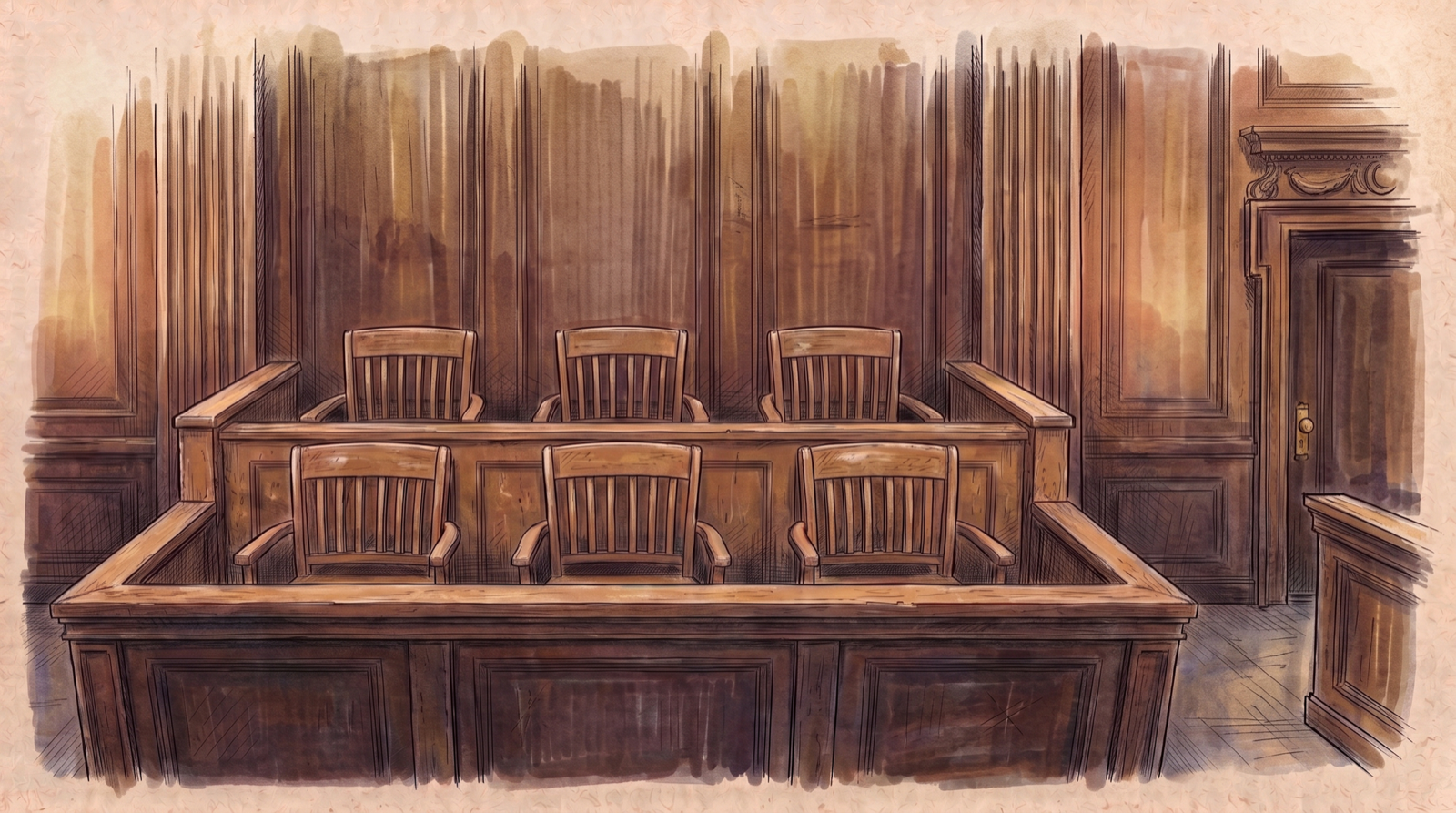
The courtroom got noticeably faster this week, and it started with an optimization that's easy to overlook but makes a real difference for players. During each witness's opening dialogue, the scrolling text where they introduce themselves and set the scene, the game was previously waiting until the dialogue finished before even starting to generate the first round of examination questions. That meant a visible pause right as the player was ready to jump into the action.
I flipped the script: the question generation now kicks off during the opening dialogue itself, so by the time the courtroom gavel drops and it's your turn to examine a witness, the questions are already waiting for you. The commit touched nearly every screen in the trial flow — jury selection, both witness examination views, closing statements, the verdict screen, even the coin flip. It wasn't a one-line tweak; it was a restructuring of when things happen.
That commit landed alongside a handful of UI refinements that make the courtroom feel tighter. The witness type labels on the defense selection screen got shortened; they were running long on mobile and forcing awkward line wraps in the dossier layout. The legal pad shed its key-fact selection warnings entirely; those warnings had been confusing players more than helping them, and removing them cleared up visual space that went straight into better dossier positioning. A lot of this week's effort went into making sure SBU feels at home on smaller phones as well as large tablet screens. Responsive layout work isn't glamorous, but it makes the difference between a game that works and a game that fits.
There was also a small but satisfying login-screen update: the generic sign-in prompt got replaced with a proper Google-branded button. It's the kind of detail that doesn't change how the game plays, but it does change how it feels the first time you open it. And for a game heading toward App Store submission, those first-impression details matter.
Then came the fix that only makes sense after you've done the optimization. By the end of the week, I discovered that the jury lean calculations, those server-tracked values that determine how each juror is leaning toward guilty or innocent, weren't always finishing before the examination questions displayed. The prefetch had moved the question generation earlier, but it hadn't accounted for the lean data pipeline running on its own timeline. The fix: await all opening jury lean calculations before showing anything.
This is classic post-optimization fallout — you speed one thing up, and suddenly a dependency you never noticed becomes the bottleneck.
The through-line for the week is unmistakable: Special Bylaw Unit is in its refinement phase. October was a monster — a hundred and thirty-plus commits that rebuilt the question system, introduced the key-fact mechanic, and restructured the entire examination flow around strategic choice instead of difficulty tiers. November's opening act is about making all of that feel smooth.
One more thing worth mentioning: SBU is now available for anyone to download on Google Play — grab it here if you want to see what a courtroom full of animal jurors looks like.
The Rest of the Lineup
ShutterClash sat still. The camera-to-card battler is in a holding pattern after its iOS launch. Headline Harmonies and Doodle Doo both had quiet weeks; no commits on either repo. Infinite Scribe's frontend and backend both sat still. The Pixoo display app was quiet too.
This is the rhythm of a solo studio: one game surges while the others breathe. When SBU's trial flow locks into place, the energy will shift — it always does.